

By Frans Pigome | Founder of RiO de NARA
Papua is often discussed from a distance—through maps, statistics, and reports. Yet Papua is a home: a place where people live, work, and maintain balance with nature every day. It is here that Indonesia is tested—not by slogans, but by responsibility.
For the people of Papua, nature is not a backdrop. It is part of life itself. Rivers are not merely waterways, but lifelines. Forests are not just resources, but spaces entrusted across generations. This way of life teaches an essential truth: caring is more important than controlling.
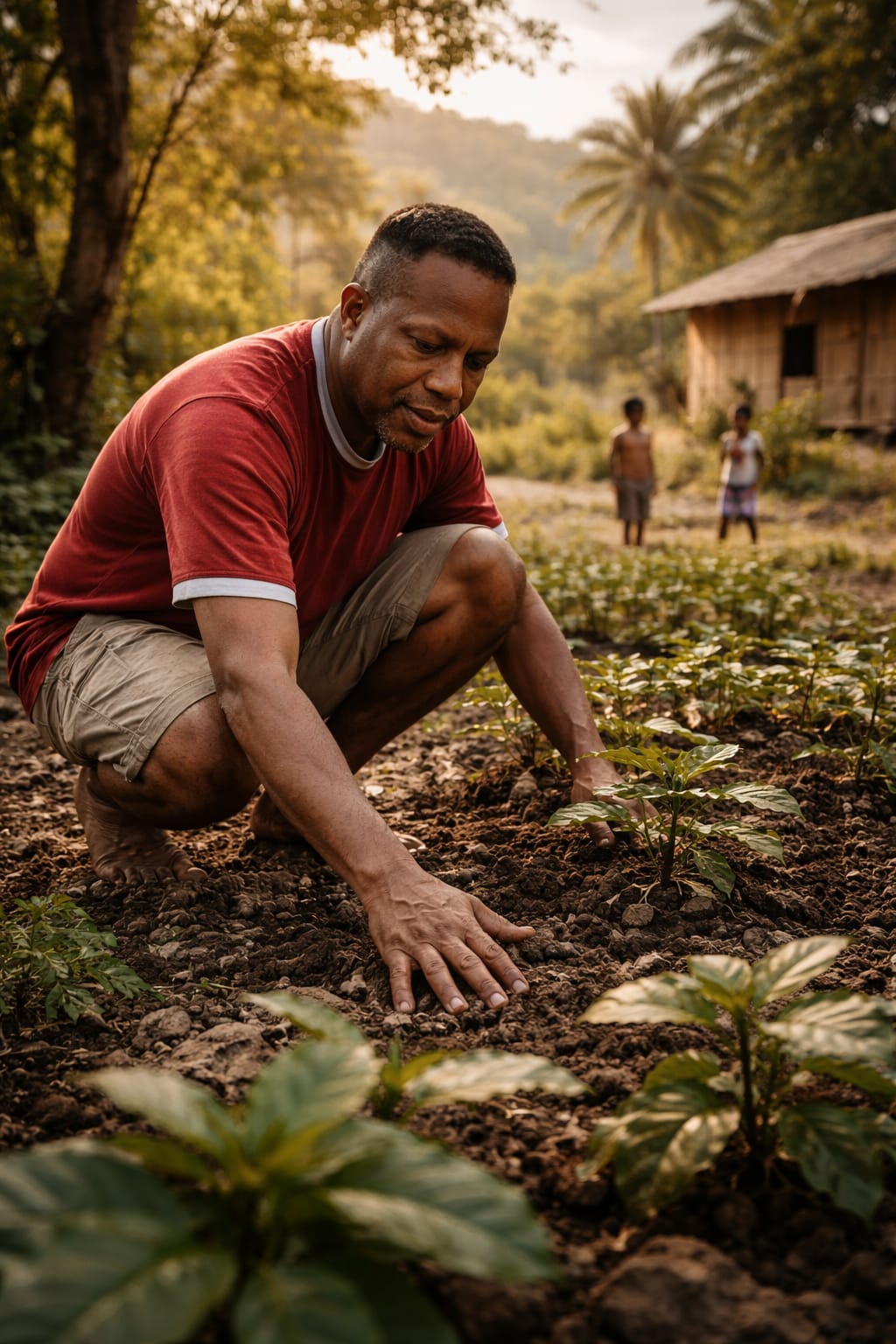
For too long, Papua has been understood through measures that are not always fair. Work is often defined only by office hours and production targets. In Papua, work takes other forms—tending gardens, fishing with the seasons, protecting sago forests, and ensuring that communities remain in balance with their environment. It is quiet work, but it is real.
In the context of development and strategic industries, including mining, this perspective serves as an important reminder. Development must not sever the relationship between people and their living spaces. It must proceed with the awareness that every decision made today will remain embedded in the land, the water, and the social fabric of communities for a long time to come.
Papua teaches us that true progress is not only about outcomes, but also about process. Not only about what is taken, but about how what remains is treated with dignity. Leadership, in this sense, is not about standing at the front, but about the ability to listen, to weigh decisions carefully, and to take responsibility.
Indonesia is a great nation because of its diversity. Papua is not a periphery, but an integral part of our shared home. To care for Papua is to care for Indonesia—not with suspicion, but with respect and genuine presence.
In the end, nationhood is not woven by grand words. It is sustained by small decisions that side with balance, justice, and a shared future. From Papua, we learn that a home that is well cared for will always be capable of caring for its people.
Leave a Reply